 greenlandbotanicals@gmail.com
Blog
Golden Teacher Magic Mushrooms: A Complete Educational Guide

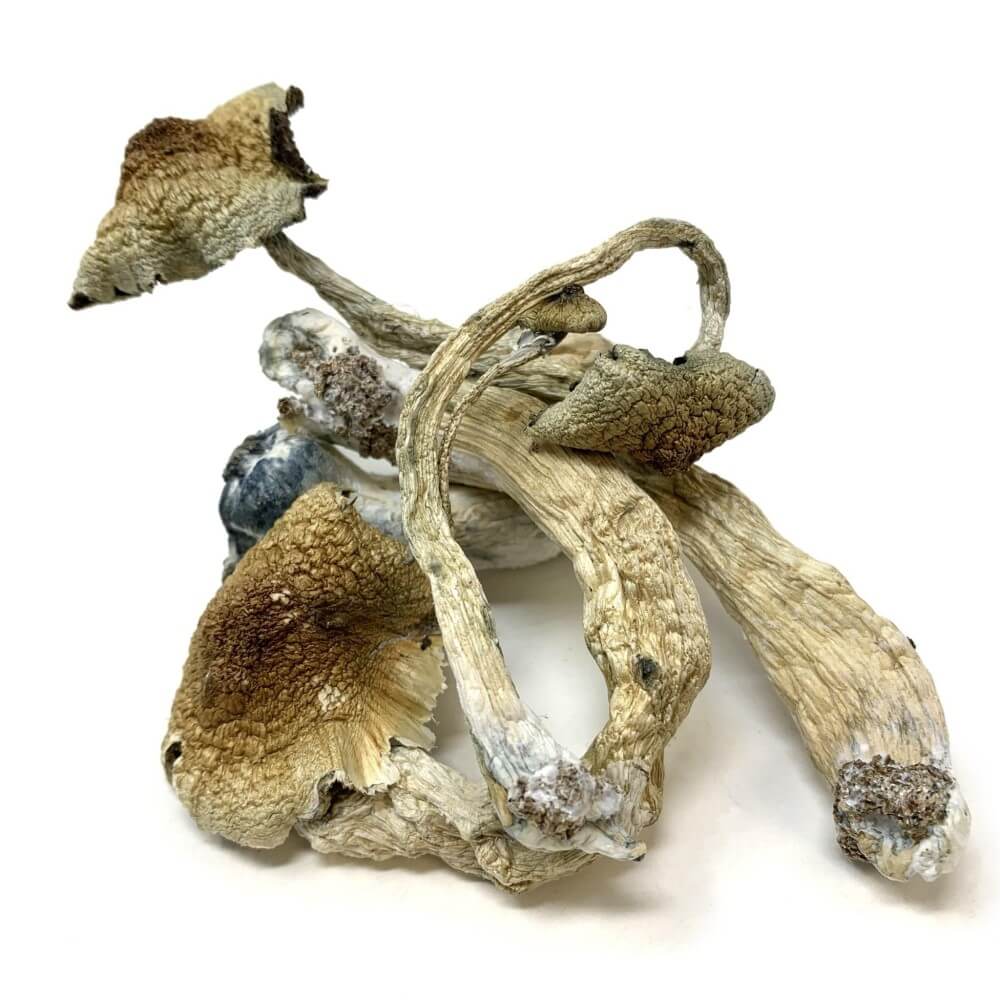
Golden Teacher Magic Mushrooms are among the most widely recognized varieties of Psilocybe cubensis. Their distinctive golden caps and long history within mycology have made them a popular subject of discussion among researchers, educators, and fungi enthusiasts. Although often mentioned in conversations about psychedelics, Golden Teacher mushrooms are also fascinating from a biological, ecological, and historical perspective.
As scientific interest in naturally occurring psychedelic compounds continues to grow, researchers are exploring how psilocybin, the primary psychoactive compound found in many Psilocybe species—interacts with the human brain and whether it may have therapeutic potential under carefully controlled clinical settings.
This educational guide explores what Golden Teacher mushrooms are, their characteristics, history, scientific research, legal considerations, safety information, and answers to frequently asked questions.
What Are Golden Teacher Magic Mushrooms?
Golden Teacher is a well-known variety of Psilocybe cubensis, a species of mushroom naturally found in tropical and subtropical regions around the world.
Like other members of the Psilocybe cubensis species, Golden Teacher mushrooms naturally produce psilocybin and psilocin. These compounds have attracted increasing scientific interest due to their interaction with serotonin receptors in the brain.
Golden Teacher mushrooms are primarily discussed in educational, botanical, and scientific contexts because of their unique appearance and long-standing recognition within mycology communities.
Scientific Classification
| Classification | Details |
| Kingdom | Fungi |
| Division | Basidiomycota |
| Class | Agaricomycetes |
| Order | Agaricales |
| Family | Hymenogastraceae |
| Genus | Psilocybe |
| Species | Psilocybe cubensis |
Physical Characteristics
Golden Teacher mushrooms have several recognizable features that distinguish them from many other mushroom species.
Golden Cap
Their cap typically displays a golden-yellow to caramel coloration, especially when mature. Younger specimens often appear more rounded before gradually flattening with age.
White Stem
The stem is usually pale white to cream-colored and relatively thick compared to many other mushroom species.
Blue Bruising
When handled or damaged, portions of the mushroom may develop a bluish coloration. This is caused by oxidation of naturally occurring compounds and is commonly observed in many psilocybin-containing mushrooms.
Dark Spores
Golden Teacher mushrooms produce dark purple-brown spores, which are characteristic of Psilocybe cubensis.
Natural Habitat
Psilocybe cubensis naturally grows in warm, humid environments.
They have historically been documented in regions including:
- Central America
- South America
- Southeast Asia
- Australia
- Parts of North America
- Tropical climates worldwide
These mushrooms are typically associated with nutrient-rich environments that support fungal growth.
Why Are They Called “Golden Teacher”?
The exact origin of the name remains uncertain.
The “Golden” portion likely refers to the mushroom’s golden-colored cap.
The word “Teacher” became popular through community discussions, reflecting the belief among some users that psychedelic experiences may provide opportunities for introspection or personal reflection. This nickname is cultural rather than scientific and does not imply proven educational or therapeutic effects.
Understanding Psilocybin
Psilocybin is a naturally occurring compound produced by several mushroom species.
After ingestion, psilocybin is converted into psilocin within the body.
Researchers have found that psilocin primarily interacts with serotonin (5-HT2A) receptors in the brain, influencing perception, mood, cognition, and sensory processing.
Scientists continue studying these mechanisms to better understand how psychedelics affect brain function.
Current Scientific Research
Interest in psychedelic science has increased significantly over the past decade.
Researchers at universities and medical institutions worldwide are investigating psilocybin under carefully controlled clinical conditions.
Areas currently being studied include:
- Depression
- Anxiety related to serious illness
- Post-traumatic stress disorder (PTSD)
- Obsessive-compulsive disorder (OCD)
- Addiction treatment
- End-of-life psychological distress
While some early clinical findings have shown promise, psilocybin remains under investigation, and research is ongoing. These studies should not be interpreted as evidence that psilocybin is an approved treatment for these conditions in most jurisdictions.
How Researchers Study Psilocybin
Clinical research differs significantly from recreational use.
Research studies generally include:
- Medical screening
- Psychological assessments
- Controlled dosing
- Professional supervision
- Monitoring during sessions
- Follow-up integration sessions
- Long-term outcome evaluation
These safeguards are designed to prioritize participant safety and produce reliable scientific data.
Potential Risks and Side Effects
Like many psychoactive substances, psilocybin may present risks.
Potential short-term effects reported in research include:
- Altered perception
- Changes in mood
- Anxiety
- Confusion
- Increased heart rate
- Elevated blood pressure
- Nausea
- Temporary psychological distress
Not everyone responds the same way, and individual experiences can vary considerably.
People with certain mental health conditions or a family history of psychotic disorders may face increased risks, which is one reason clinical research uses extensive participant screening.
Safety Considerations
Educational information about mushroom safety is important.
Key considerations include:
- Never consume unidentified wild mushrooms, as many poisonous species closely resemble edible or psychoactive varieties.
- Mushroom identification should only be performed by experienced experts.
- Avoid mixing psychoactive substances with alcohol or other drugs without medical guidance.
- Individuals with certain psychiatric conditions should consult qualified healthcare professionals regarding any questions about psychedelic research.
Legal Status
The legal status of psilocybin varies considerably around the world.
Some jurisdictions have:
- Strict prohibition
- Limited medical research programs
- Decriminalization policies
- Regulated therapeutic access under specific circumstances
Because laws continue to evolve, individuals should always consult current local regulations before making assumptions about legality.
Myths vs. Facts
Myth: All mushrooms that bruise blue contain psilocybin.
Fact: Blue bruising alone is not sufficient for identification.
Myth: Golden Teacher mushrooms are a separate mushroom species.
Fact: They are widely recognized as a variety of Psilocybe cubensis.
Myth: Scientific research has proven psilocybin cures depression.
Fact: Research is promising, but studies are ongoing, and approval varies by country.
Myth: Mushroom identification is easy.
Fact: Many poisonous mushrooms closely resemble non-poisonous species, making accurate identification difficult.
Why Scientists Continue Studying Psilocybin
Researchers remain interested because psychedelics appear to influence brain connectivity differently than many conventional medications.
Current investigations explore topics such as:
- Neuroplasticity
- Emotional processing
- Brain network activity
- Consciousness
- Cognitive flexibility
- Psychological resilience
These remain active areas of scientific inquiry.
Frequently Asked Questions
What species do Golden Teacher mushrooms belong to?
Golden Teacher is generally recognized as a variety of Psilocybe cubensis.
What makes Golden Teacher mushrooms unique?
They are known for their golden caps, distinctive appearance, and longstanding recognition within mycology communities.
Do Golden Teacher mushrooms naturally contain psilocybin?
Yes. Like many Psilocybe cubensis varieties, they naturally produce psilocybin and psilocin.
Are scientists studying psilocybin?
Yes. Universities and research institutions continue investigating psilocybin for various potential medical applications under controlled clinical conditions.
Is psilocybin an approved medicine everywhere?
No. Regulatory approval varies significantly by country and jurisdiction.
Can wild mushrooms be safely identified by appearance alone?
No. Many poisonous mushrooms closely resemble other species. Proper identification requires significant expertise.
Why are Golden Teacher mushrooms popular in discussions?
Their distinctive appearance, historical recognition, and association with Psilocybe cubensis have made them one of the best-known mushroom varieties discussed within educational and scientific communities.
Key Takeaways
Golden Teacher Magic Mushrooms remain one of the most recognizable varieties of Psilocybe cubensis. Their distinctive appearance, rich cultural history, and naturally occurring psilocybin have made them an important topic in modern mycology and psychedelic research.
While interest in psilocybin science continues to grow, much remains under active investigation. Researchers are working to better understand how these naturally occurring compounds interact with the brain and whether they may have therapeutic applications when administered within carefully controlled clinical settings.
Understanding the biology, history, legal considerations, and ongoing scientific research surrounding Golden Teacher mushrooms helps readers make informed decisions based on evidence rather than misinformation.
Continue Learning About Botanical Science
If you’re interested in expanding your knowledge of fungi, botanical compounds, and emerging scientific research, continue exploring educational resources that emphasize evidence-based information, responsible learning, and current developments in mycology and natural product science. Staying informed through reliable educational content is the best way to understand this rapidly evolving field.